How the Nemechek Protocol Helps Children with Autism, ADHD, and Developmental Delay
May 31, 20262 min read
Children with autism, developmental delay, sensory processing disorder, apraxia, ADD, and ADHD appear to have very different conditions. But at the neurological level, they share a common root: chronic inflammation is preventing the brain from developing and repairing itself normally.
The Problem: Inflammation Stops the Brain from Repairing Itself
Every child's brain sustains minor injuries throughout childhood — from bumps on the head, emotional stress, illness, surgery, and other common events. Under normal circumstances, the brain repairs these injuries completely within a few weeks. But when chronic inflammation is present, those repairs do not happen. Each minor injury leaves a small amount of unresolved damage. Over time, that damage accumulates — a process Dr. Nemechek calls cumulative brain injury. The result is the cluster of symptoms we recognize as ADD, hyperactivity, anxiety, and developmental delay.
Inflammation also disrupts the brain's pruning process. A child is born with roughly 100 billion neurons. By age 18, that number needs to be pruned down to about 50 billion — and this pruning is how children hit their developmental milestones. When inflammation slows the pruning rate, development slows with it.
What Makes Autism Different
Children with autism have all of the above — cumulative brain injury, impaired pruning, and developmental delay — plus one additional factor: their gut bacteria are producing a chemical called propionic acid (PPA). Dr. Nemechek describes it as a cross between Valium and LSD. It acts as a sedative, producing the characteristic zoned-out quality many autistic children have. Take away the propionic acid, and the autism features largely disappear. What remains is developmental delay and cumulative brain injury — both of which the protocol also addresses.
Where the Inflammation Comes From
Excess omega-6 fatty acids from vegetable oils promote neuroinflammation. Deficiency of omega-3 fatty acids (specifically DHA) impairs the brain's ability to resolve inflammation and repair neurons. Gut bacterial overgrowth (SIBO) produces continuous inflammatory signals and, in autism, excess propionic acid.
How the Protocol Addresses Each Source
Olive oil blocks the inflammatory effect of omega-6 fatty acids. Fish oil provides DHA to resolve neuroinflammation and support repair. Inulin or rifaximin rebalances the gut bacteria — inulin in younger children, rifaximin in older children and adults.
What Happens When It Works
As inflammation drops and propionic acid falls, parents observe the Awakening — the child becomes more alert, more present, and more interactive. From there, the brain's natural repair and pruning mechanisms come back online. Speech returns. Hyperactivity and anxiety decrease. Focus improves.
What Not to Add
Non-prescription supplements, vitamins, and especially probiotics should be removed. Dr. Nemechek has observed repeatedly that even seemingly benign supplements can cause children who have recently begun speaking to relapse within days. The inflamed, healing brain is highly sensitive.
Medical Disclaimer: The information in this article is for educational purposes only and is not intended as medical advice. The Nemechek Protocol is not a cure for autism or any other medical condition. Please consult with a qualified healthcare provider before making changes to your child's health regimen. Individual results vary.
SUBSCRIBE
Sign up to get the latest on sales, product releases, and more…
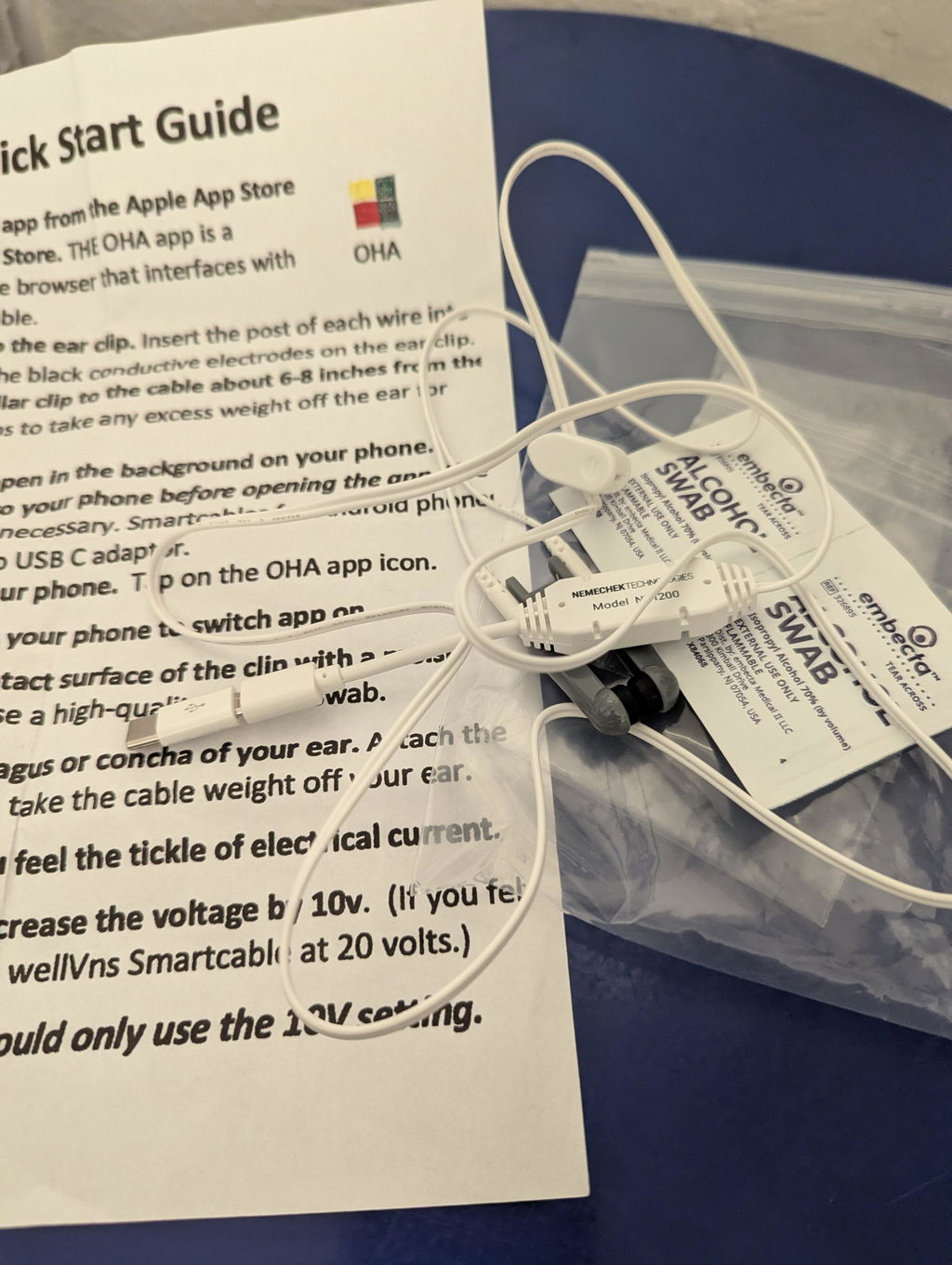
Vitality Smartcable was easy to set up. The app opened up as soon as I plugged into my phone. Five minutes of use throughout the day is very convenient. Soon I'll get the funk out of my depression from losing my job, losing my sister to breast cancer, and losing my dog. Every bit of medical help is appreciated.
They work just like the original one I received with the cable. My only complaint is that I was unable to get them a year ago when the first one failed. Thanks for making them available.