OCD, Anxiety, and Repetitive Behaviors in Autism: Why They Happen and How They Resolve
May 31, 20262 min read
If your child with autism struggles with anxiety, OCD behaviors, meltdowns at transitions, fear of other children, or constant hyperactivity, you are not dealing with separate psychiatric conditions. You are dealing with a single physiological problem: the autonomic nervous system is not working correctly, and it is flooding the body with fight-or-flight hormones.
The Root Cause: Low Brain Blood Pressure
Children with autism have ANS damage that impairs blood pressure to the brain. When oxygen delivery falls, the brain releases norepinephrine to boost pressure — but norepinephrine is the fight-or-flight hormone. The result is a child in near-constant physiological panic. The response is not voluntary. They cannot control it. This is why these children cannot simply be calmed down during a meltdown — the cause is physiological, not behavioral.
The norepinephrine release produces: aggression and transition meltdowns, anxiety and panic, OCD rituals, stimming, elopement, self-injurious behavior, and social fear.
A Clinical Case: 9-Year-Old with Extreme OCD
A 9-year-old girl with autism presented with intense anxiety, extreme OCD (every door in the house had to remain closed — any open door triggered screaming), hyperactivity, major transition issues, and minimal verbal communication. After starting the basic protocol, she showed improved alertness and eye contact but anxiety and OCD remained. After switching from inulin to rifaximin: four months later tantrums reduced and OCD less intense; nine months later totally comfortable around other children, tolerating fire drills, no longer concerned with doors.
This is the consistent pattern when the underlying gut-brain mechanism is properly addressed.
How the Protocol Resolves This
As inflammation falls through inulin or rifaximin, olive oil, and fish oil, the autonomic nervous system begins to repair itself. As ANS function improves, brain blood pressure normalizes. As brain blood pressure normalizes, the norepinephrine release that is driving anxiety, OCD, aggression, and repetitive behaviors diminishes. Dr. Nemechek notes he does not specifically treat anxiety or OCD in these children — he has not encountered cases where it did not resolve as the underlying physiology recovered.
Medical Disclaimer: The information in this article is for educational purposes only and is not intended as medical advice. The Nemechek Protocol is not a cure for autism or any other medical condition. Please consult with a qualified healthcare provider before making changes to your child's health regimen. Individual results vary.
SUBSCRIBE
Sign up to get the latest on sales, product releases, and more…
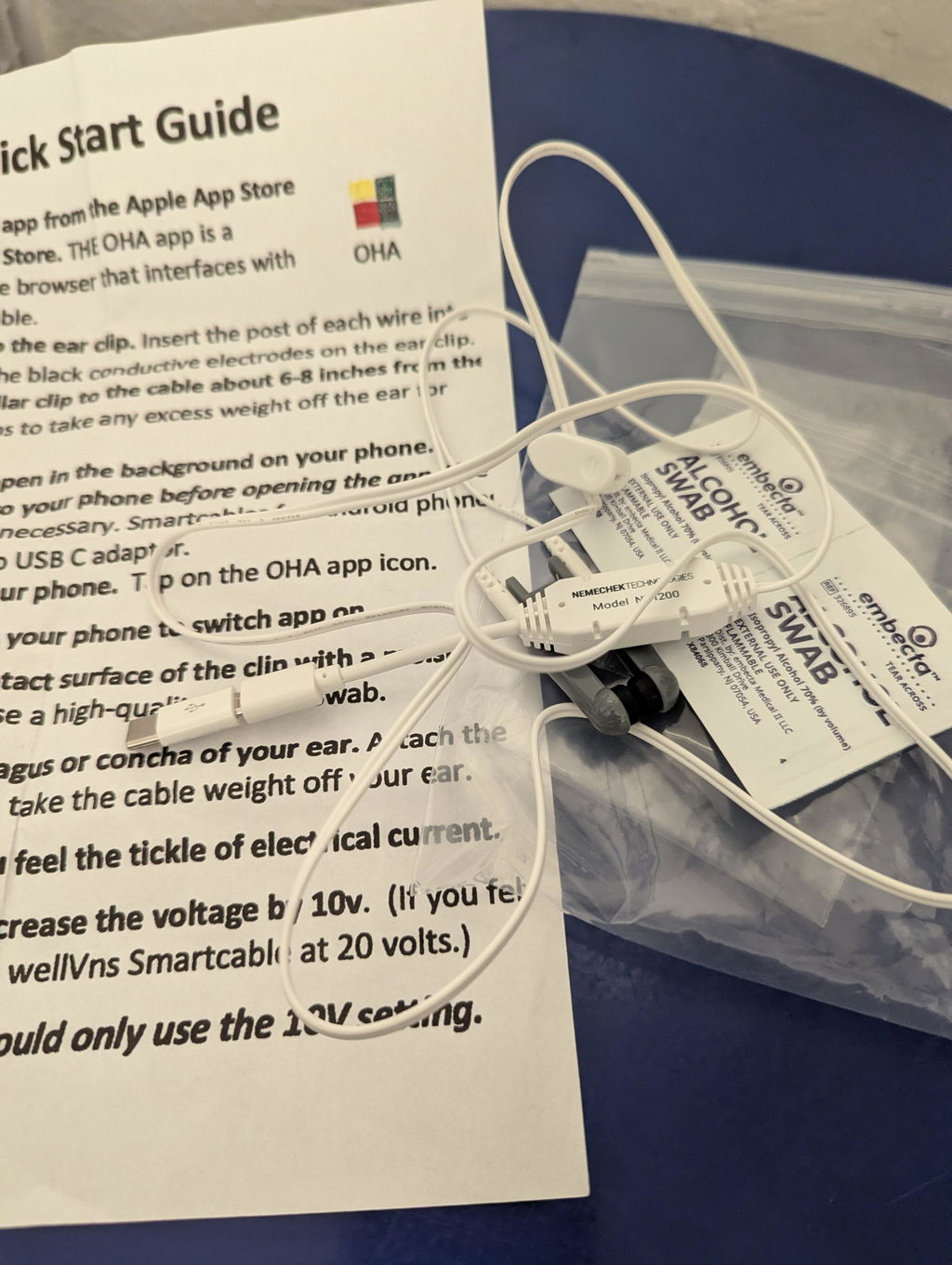
Vitality Smartcable was easy to set up. The app opened up as soon as I plugged into my phone. Five minutes of use throughout the day is very convenient. Soon I'll get the funk out of my depression from losing my job, losing my sister to breast cancer, and losing my dog. Every bit of medical help is appreciated.
They work just like the original one I received with the cable. My only complaint is that I was unable to get them a year ago when the first one failed. Thanks for making them available.